Trisoma®
Sports Massage & Rehab Bodywork
Sports Massage is not just for the athlete who frequently performs near failure, but also for the typical office worker who also performs near failure for certain muscles, simply because the body is not designed to sit holding a pencil for hours at a time.
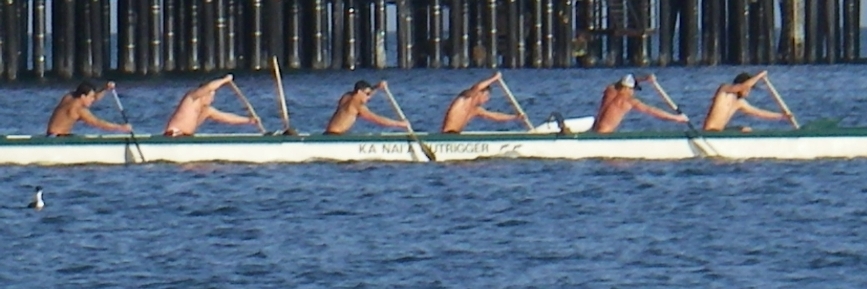
Whether one is a top athlete or an office worker, injuries may not be immediately evident. Overtraining Syndrome or just standing, sitting or holding a pencil for several hours without proper rest, may cause microscopic breakdown of various soft tissue. Over time symptoms will appear, usually after significant damage has been done. Sports massage, along with proper training periodization, physical therapy, sleep, diet and breathing, is one method of treatment to minimize reduction of productive time.
The human body is a neurobiochemical unit, not just a mechanical unit. All components must be prepared, recovered and rehabilitated properly to continue optimal function, whether pulling a canoe or pushing a pencil. Sports Massage is a general term for a very broad area of bodywork, which focuses on physiologic processes which promote neuromuscular and soft tissue function, recovery and healing, and pain relief. Types of Sports Massage encompass:
- pre-event therapy
- post-event therapy
- preventative measures
- therapies for syndromes
- therapies for injuries
- therapies for chronic conditions
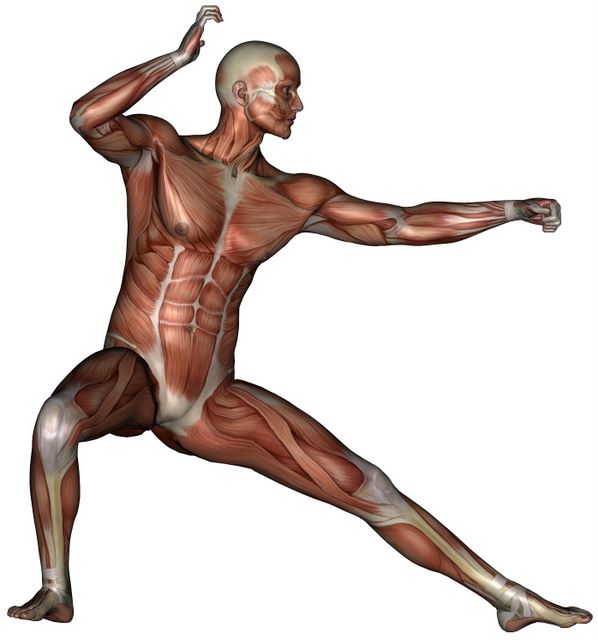
Targets of sports massage include tendinosis (which is a tendinopathy much more common than tendinitis,) [2] fascial restrictions, and other myofascial pathology, including scarring in muscle, fascia, tendons, ligaments and cartilage. Treatment may include assessment, stretching, client feedback, and various techniques of manipulating tissue- some relaxing, yet some others less than comfortable. Most sessions are clothed, may last 2 minutes or over an hour, and may encompass full-body and/ or emphasis on a particular problem area.
[10]. More on the developing research on fascia is at our Myofascial Release page. .
History
In ancient Greece, gladiators and Olympic athletes were massaged before their events.[1] Modern day athletes receive massage regularly, and the growing number of young and old athletes, as well as typically slumped-over office workers, are learning that sports massage is a valuable tool for improving performance, recovery and rehabilitation on a cellular level. The human body has a fascinating intelligence when it come to healing, and when the body is allowed to listen to itself, healing can resume.
Pre-event treatment goals are to increase blood circulation, tissue and joint flexibility and mental clarity to prepare for performance and reduce injury. Methods include effleurage, compression, tension and tapotement. This does not replace the athlete's warm-up but complements it. Factors such as temperature, nervousness, fatigue, hyperactivity and past experience with massage are considered before giving treatment. Static stretching and trigger point therapy or other deep tissue work is normally contraindicated for pre-event treatment as it may interfere with the client's coordination and strength.
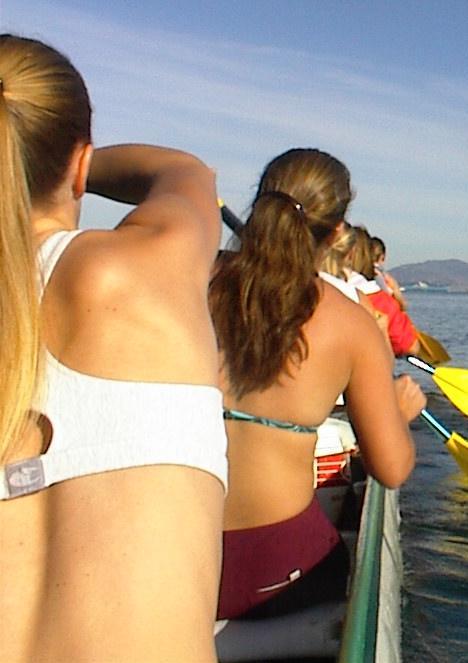
Post-event treatment goals are to aid repair and restoration of tissues, reduce soreness and to return parasympathetic dominance. The modality choices are wide, including Barefoot Deep Tissue, Trigger Point therapy, Myofascial Release, resistance stretching, and chosen for the specific client's situation.
Paul's arsenal includes Myofascial Release, Proprioceptive Neuromuscular Facilitation, Cross-Fiber Friction, and other therapies, such as Barefoot Deep Tissue, which may or may not be painless nor initially relaxing, but can help enhance top athletic performance in one or several treatments. Treatment can be adjusted to the comfort-versus-effect preference of the client. Although top athletes use bodywork for maximizing performance while minimizing injury, recreational athletes and other people are becoming aware of the salubrious benefits of sports massage.
Long-term pain patterns are most often the result of scar tissue or other pathologic conditions that form in muscles, tendons, ligaments, bursas, nerves and joints after an injury, or hundreds of discrete injuries. The pain typically results in activated trigger points, and decreased function. Rehabilitation techniques, such as transverse friction or cross-fiber frictioning, involve applying deep pressure to tissues repeatedly to break down adhesions and scar tissue, partially reducing an injury back to its acute stage in order to trigger the body's natural healing response. Human skin, muscles and connective tissue have at least 8 types of receptors, and the human body has a fascinating intelligence when it comes to healing. When the body is reminded and allowed to listen to itself, healing and parasympathetic response can resume.
 Massage is therapeutic for connective tissue healing where physical therapy or medications alone have failed, and it is preventative therapy for acute tendon injuries.
Connective tissues around joints and cartilage
have poor blood circulation, so conventional medicine maintained that any injury to connective tissue was irreparable except by surgery.
However studies since the 1980's are showing that, after disruption of normally homeostatic structures, the body's healing response is activated to mobilize materials that are used to reconstruct damaged tissues.[6]
The phases of tendon healing were described in 1968 as inflammation, proliferation, and organization.[7]
Massage is therapeutic for connective tissue healing where physical therapy or medications alone have failed, and it is preventative therapy for acute tendon injuries.
Connective tissues around joints and cartilage
have poor blood circulation, so conventional medicine maintained that any injury to connective tissue was irreparable except by surgery.
However studies since the 1980's are showing that, after disruption of normally homeostatic structures, the body's healing response is activated to mobilize materials that are used to reconstruct damaged tissues.[6]
The phases of tendon healing were described in 1968 as inflammation, proliferation, and organization.[7]
Some medical doctors seem to employ incomplete knowledge of research on tendinopathies, and may perform inadequate physical assessment and surgical technique, possibly contributing to misdiagnoses and decreased success rates for healing. Most conditions diagnosed as "tendinitis" or tenosynovitis are actually tendinosis, attributed to microscopic tearing with formation of immature reparative tissue (angiofibroblastic hyperplasia) and lacking acute inflammatory cells.[3] Tendinosis is characterized by the presence of active fibroblasts and vascular granulation (scarring and weakening) and loss of collagen. The term angiofibroblastic hyperplasia (tendinosis) refers to the degenerative changes that occur when a tendon has failed to heal properly after an injury or after repetitive microtrauma resulting from overuse caused by even slight tension, such as holding a pencil, mouse or steering wheel for hours. Tendinitis is characterized by the presence of an increased number of lymphocytes or neutrophils (inflammation), and is rare.
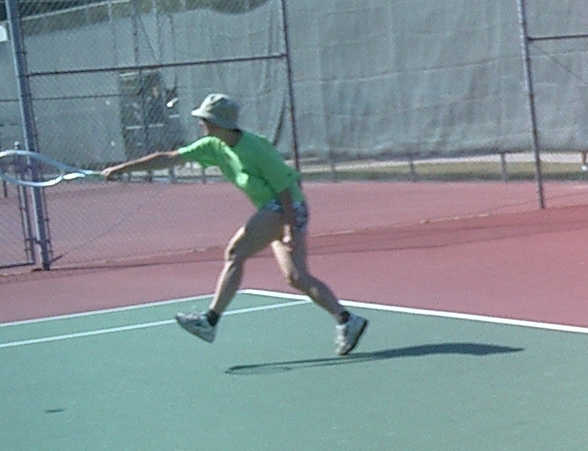
Histopathological studies in the 1970's revealed that even tennis elbow is not an inflammatory condition.[4] So why do many doctors continue to precribe anti-inflammatories or pull out the cortisone syringe so often? Ask your doctor. Also, incomplete surgical procedures have prevented proper observation of the true causes, and reduced the success in treatment. [16,17]
Tendinosis results from chronic overuse injuries, which are the result of long-term tension (even holding a pencil) or multiple microtraumatic events that cause disruption of the healing response, and degeneration of the internal structure of the tendon, cells and matrix[5] and also from medications such as some antibiotics (Cipro, etc.)[14] or rare disorders. The goal of nonsurgical treatment is a revascularization and collagen repair of this pathologic tissue.
Dr. James Cyriax (1904-1985), British Internist and Orthopaedic Surgeon, also called the "Einstein" of orthopaedic medicine, developed a technique for deep transverse friction, also termed cross fiber friction, which effectively reduces existing fibrosis, crystalline roughness that forms between tendons and their sheaths and encourages tendon fibroblasts to form increased collagen and cross-linkages in response to internal microtears, and more proper alignment of strong, pliable tissue at the site of healing injuries in muscles, tendons and ligaments. Cross-fiber has been used for tennis elbow (lateral epicondylitis, or more properly termed a tendinosis that specifically involves the origin of the extensor carpi radialis brevis muscle), golfer's elbow (medial epicondylitis), sub-patellar tendinitis jumper's knee) and other painful tendinopathies. It can also prevent or soften myofascial adhesions, help restore mobility, remove toxins from muscle tissue, and relieve tension and possibly trigger points.
Transverse or Cross-Fiber Friction therapy and prolotherapy (dextrose injection), along with a properly planned physical therapy program of exercise and rest, are being supported by more research for active rehabilitation of tendons and ligaments. Many sources describe that tendons have an intrinsic capacity to remodel as a continuous healing process because tension across fibroblasts causes these cells to divide and to align perpendicular to the line of stretch, leading to development of a preferential direction of collagen in the fibers.[10,11,12,13] Regrowth of collagen and cartilage by such therapies is also being verified by clinical studies.
Massage prevents acute tendon injuries. Tendon tearing may involve side-to-side dehiscence of the fascicles, or actual longitudinal disruption of the fibers, and should be evaluated by an orthopedic doctor for possible surgical repair. However it is well supported that tearing is an acute worsening of an accumulated series of microscopic injuries within the tendon, and there is evidence that approximately two-thirds of acute ruptures of the Achilles tendon are associated with histological evidence of chronic degenerative pathological changes within the tendon (hypoxic degenerative tendinopathy, mucoid degeneration, tendolipomatosis, and calcifying tendinopathy, either alone or in combination.) Thus sports massage would be a preventative therapy for ruptured tendons. [8,9]
- Cross-Fiber Friction
- Cross Fiber Friction on Fascia
- Chiropractic view of Tendinosis
- Rebuilding Collagen and Cartilage with Prolotherapy
- Prolotherapy conditions
- Tendinitis vs. Tendinosis...
- ...and why cortisone shots may reduce pain, but maybe not the injury. (page removed!)
- ...and why cortisone may degrade tendon tissue
- ...and more on cortisone preventing healing of connective tissue
- Prolotherapy government medical study
- more on Tendinosis

- Arthritis- General Massage
- Arthritis- Managing Pain with Massage
- Arthritis- Psoriatic
- Arthritis- Treatment News
Hyaluronic Acid is being researched as the next panacea medical treatment in connective tissue disorders and repair.
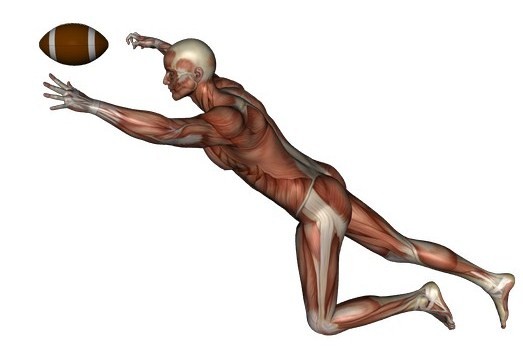
- Hyaluronic Acid Treatment
- Hyaluronic Acid for Disorders and Aging
- Hyaluronic Acid Injections
- Hyaluronic Acid Implants
- Hyaluronic Acid Claims
- Hyaluronic Acid Warnings and Research
- Hyaluronic Acid Update
Miscellaneous: My proceleusmatic instructor and mentor, John Harris, worked in the 1984 Los Angeles Olympics, and founded the first full-time Sports Massage school in the USA, has trained thousands of bodyworkers around the world and continues to teach at The Santa Barbara Body Therapy Institute.
| Buy the book Fix Pain by John Harris and Fred Kenyon on Am@%*n for over $100, or here for a discounted price with free shipping! | |
|---|---|
|

|
| Buy the New DVD Barefoot Deep Tissue by John Harris for a discounted price and free shipping! | |
|
|